ForgeCast: The Trading Dashboard Evolution
The four-generation journey of building a deterministic trading protocol — from early prototypes to production-grade signal infrastructure.
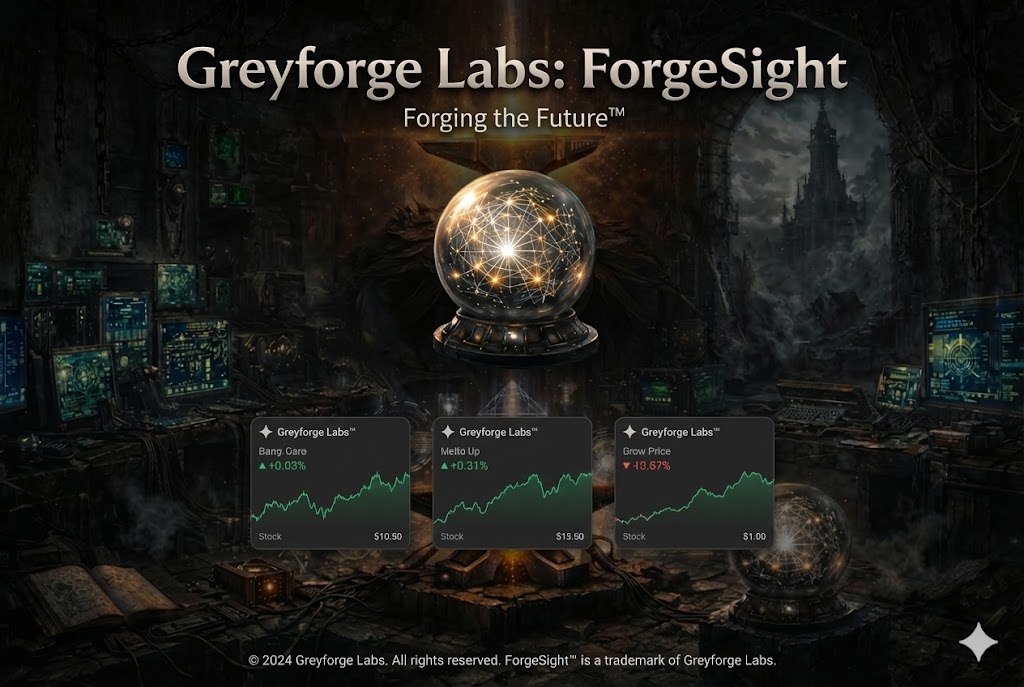
Fig 1.0: The ForgeCast Dashboard Interface.
>_The Origin: Generation 1
Every ambitious project has humble beginnings. The first generation started as a React prototype — a simple portfolio dashboard where I could track positions and visualize market data. The goal was straightforward: replace the spreadsheet.
The initial architecture was deliberately minimal. React for the frontend, basic state management with Redux, and a collection of API integrations for real-time price feeds. It worked, but it was just a viewer — it couldn't think, couldn't advise, couldn't help with decision-making.
The key elements that survived into later versions were the portfolio view, the navigation pattern, and the overall dark-mode aesthetic that would become our signature.
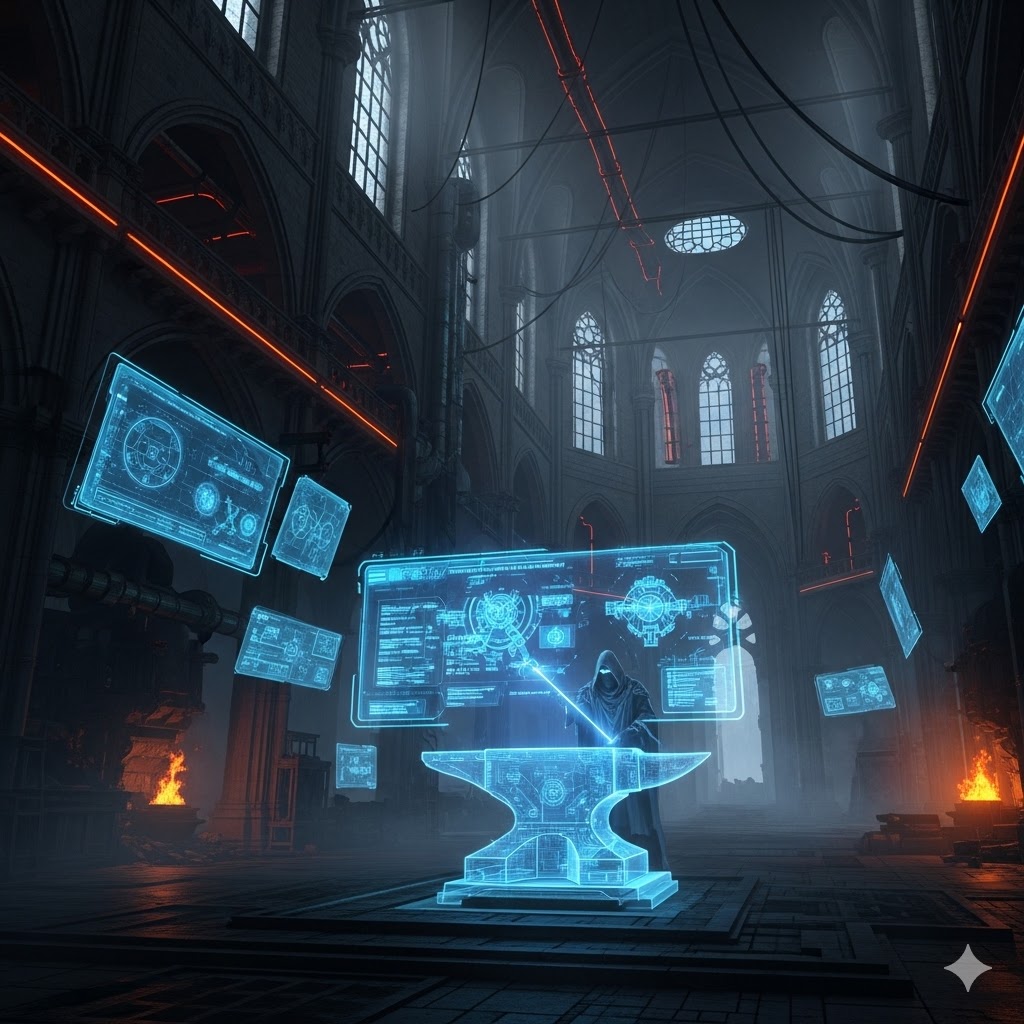
The ArchAnvil — representing the foundational deterministic logic forged during the first generation.
>_The AI Awakening: Generation 2
The second generation marked a paradigm shift. We integrated with OpenClaw — an AI agent framework — and suddenly the dashboard could do more than display data. It could interpret, analyze, and respond.
The centerpiece was the vision pipeline: the ability to paste a screenshot of a portfolio and have AI extract structured data from it. This solved a real pain point — manually entering positions from brokerage statements was tedious and error-prone.
We also added Telegram integration, allowing the system to send morning briefings and evening reports directly to mobile. Deterministic analysis commands became core features — automated portfolio auditing based on hard-coded trading rules that never hallucinate.
>_Hardening: Generation 3
If the previous generation was about adding features, this one was about making them reliable. This phase focused heavily on bug fixes, edge cases, and protocol compliance.
The async audit system was rewritten with proper timeouts and job management. Portfolio role persistence issues were fixed. We added refresh capabilities and improved the chat input anchoring to ensure protocol commands were always prioritized correctly.
Perhaps most importantly, we cleaned up junk data in the portfolio caused by earlier parsing errors. Data hygiene became a first-class concern.
>_The Full Vision: Generation 4
The current generation represents the mature vision: a Dashboard First paradigm. No chatbots as the primary interface — instead, a 2D kinetic dashboard built with React that puts the portfolio front and center.
The key innovation is the separation of deterministic logic from AI-assisted features. Core financial analysis runs through a multi-gate verification system — each signal passes independent validation. The AI provides advisory context, but decisions run through hard rules that never hallucinate.
The Verification System
- Multiple independent validation gates
- Each signal verified against fundamental, trend, timing, and safety criteria
- Deterministic rules — no AI hallucination in the decision chain
- Full audit trail for every recommendation
This architecture ensures that no matter how sophisticated the AI becomes, the core trading decisions remain explainable, auditable, and consistent. The machine doesn't hallucinate your trade signals.
>_Lessons Learned
Building through four generations taught us several important principles:
- Legacy scavenging works. Don't rebuild everything from scratch. Previous versions contain battle-tested code worth extracting.
- Deterministic beats probabilistic for critical paths. AI is great for analysis, terrible for buy/sell decisions without guardrails.
- Data hygiene is non-negotiable. Bad data in means bad decisions out. Clean early and often.
- User interfaces evolve separately from logic. The dashboard changed dramatically; the trading rules remained stable.
>_What's Next
ForgeCast continues to evolve. Current focus areas include deeper integration with ForgeClaw for multi-agent analysis, voice-based interaction capabilities, and expansion of the universe scanning system to identify new opportunities beyond the current portfolio.
The journey from spreadsheet replacement to intelligent trading dashboard took nearly two years. Each generation built on the last, preserving what worked while fixing what didn't. That's the Greyforge way — relentless refinement toward a stable, quality product.